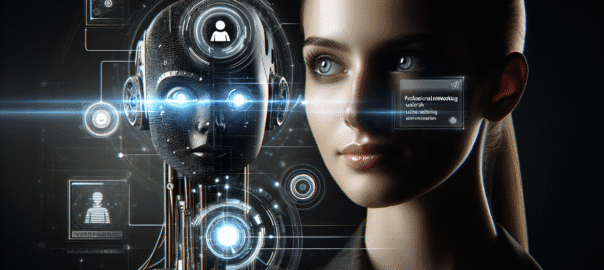
Imagine a world where AI agents seamlessly collaborate, understand each other, and work for us without friction. That future is closer than you think.
In a groundbreaking move, OpenAI, Anthropic, and Block have announced a joint effort to establish open standards for AI agents. This collaboration aims to ensure that AI software tools can interoperate smoothly and behave cooperatively — a critical step as AI agents become increasingly autonomous and embedded in our daily lives. In this article, we’ll explore why these open standards matter, how they can drive innovation, and what this means for businesses and consumers alike. For the full story, check out OpenAI, Anthropic, and Block join forces on AI agent standards.
As someone deeply immersed in the worlds of AI, IoT, and satellite communications, I’ve witnessed firsthand the transformative power of technologies that work in harmony. Whether it’s smart devices communicating across vast networks or algorithms collaborating in real time to optimize music experiences, the ability for systems to ‘speak the same language’ is crucial. This new initiative aligns perfectly with my passion for sustainable, scalable innovation — enabling AI agents to cooperate means smarter resource use and better outcomes for everything from city infrastructure to creative industries.
Why Open Standards for AI Agents Are a Game Changer
AI agents are no longer single-purpose tools but dynamic entities capable of learning, reasoning, and interacting autonomously. However, without common protocols and standards, their potential is limited by fragmentation and proprietary silos. Open standards enable agents built by different organizations to understand and trust each other, creating an ecosystem where AI can act as a unified force rather than isolated units.
Enhancing Interoperability
Think of AI agents like smartphones — their usefulness exploded when they could connect with countless apps and services worldwide. Similarly, AI agents need open standards to plug into diverse platforms, share data securely, and execute complex workflows collaboratively.
Building User Trust and Safety
With open standards, there’s transparency about how AI agents make decisions and interact. This reduces risks of miscommunication, biases, or malicious behaviors. For consumers and businesses, trust is paramount when deploying AI at scale in sensitive areas like healthcare, finance, or autonomous vehicles.
Accelerating Innovation
When developers work from shared guidelines, innovation accelerates. We can expect a flourishing market of AI applications that are more reliable, customizable, and scalable — moving beyond isolated solutions to integrated intelligent systems that augment human creativity and productivity.
Imagine launching a platform that aggregates diverse AI agents conforming to these open standards — a sort of ‘AI agent marketplace.’ Businesses could pick and integrate specialized agents for customer support, data analysis, creative content, and IoT device control, all interoperable and customizable. This platform could leverage blockchain or distributed ledgers to verify agent identity and interactions, fostering transparency and monetization opportunities for developers worldwide.
The joint effort by OpenAI, Anthropic, and Block to set open standards for AI agents marks a pivotal moment in AI evolution. It promises a future where AI is not just powerful but cooperative, trustworthy, and universal. As these standards take hold, we will witness smarter, more connected AI systems reshaping industries and everyday life—inviting us all to participate in this exciting transformation.
What are AI agents?
AI agents are autonomous software programs designed to perform tasks, learn, and interact with users or other systems independently.
Why are open standards important for AI agents?
Open standards ensure compatibility, safety, and interoperability among AI agents built by different creators, allowing them to work together seamlessly.
How does this collaboration affect businesses?
It enables businesses to integrate multiple AI agents easily, improving efficiency, innovation, and customer experiences without vendor lock-in.
What industries will benefit most from AI agent standards?
Sectors like healthcare, finance, IoT, autonomous vehicles, and customer service stand to gain significantly from trustworthy and interoperable AI agents.
Can individuals benefit from AI agents with open standards?
Absolutely. Consumers will experience smarter personal assistants, enhanced device communication, and better privacy controls as agents become more reliable and transparent.